Medical Weight Loss Program

Medical Weight Loss Program in Dubai

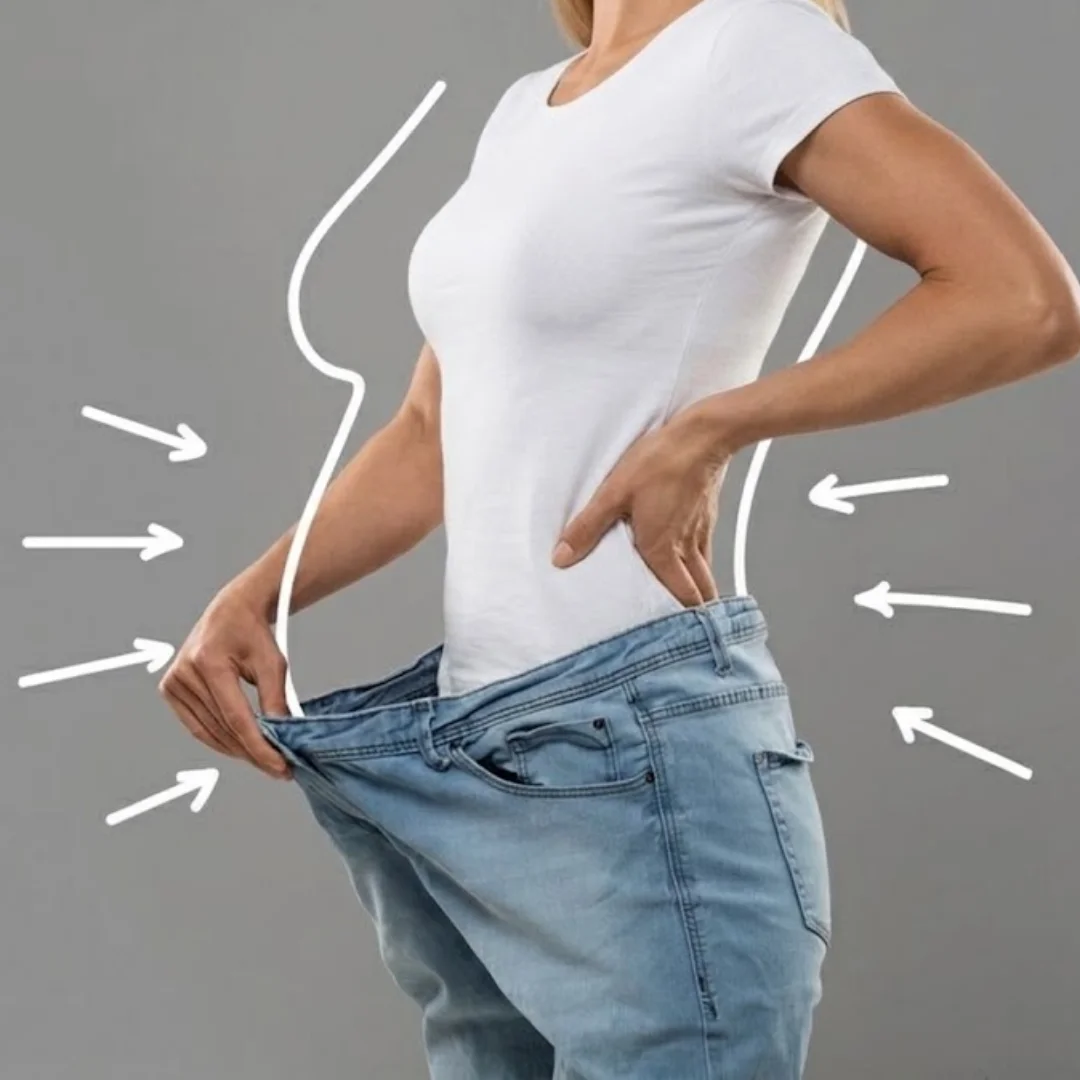
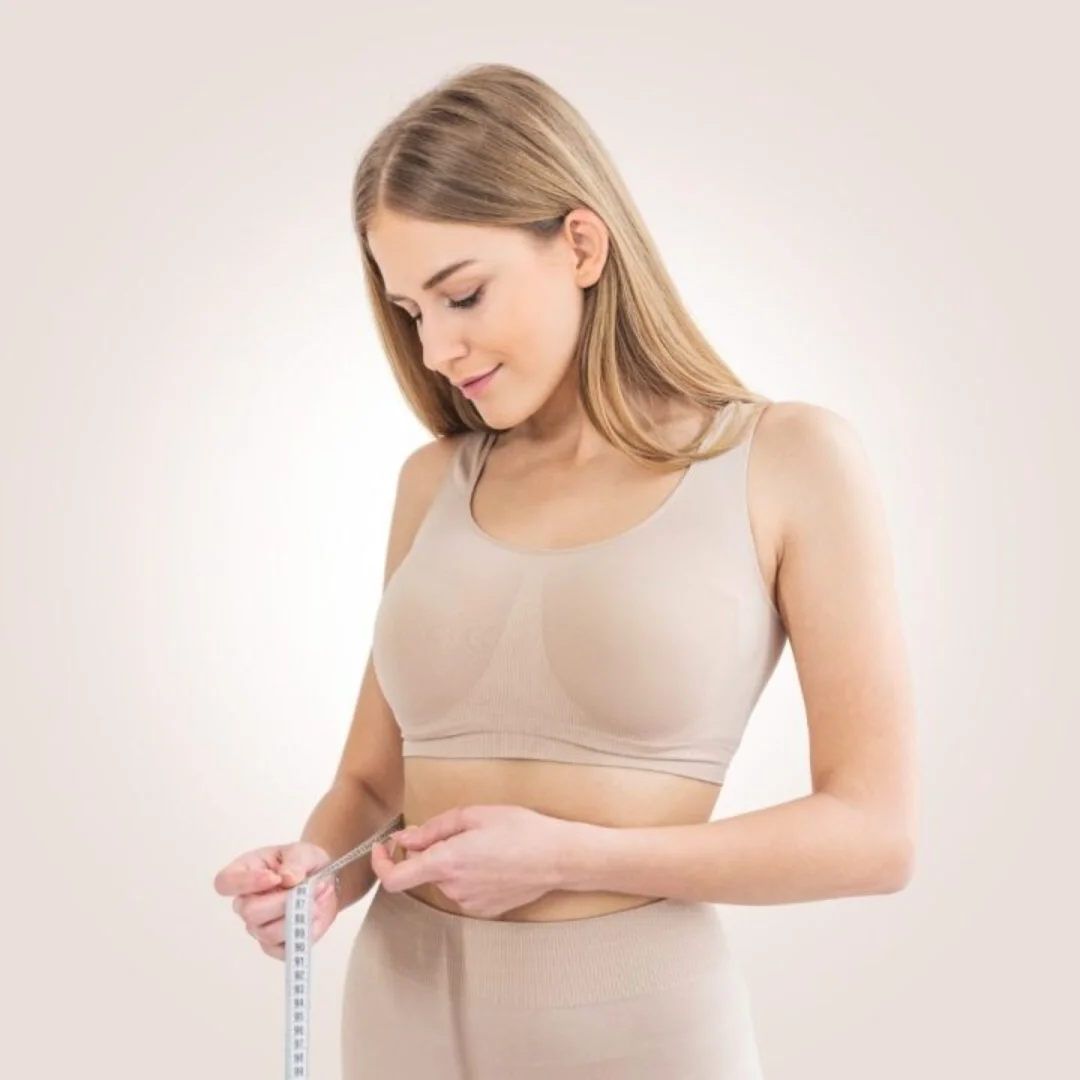
Weight management is about more than the number on the scale. For people living with overweight or obesity, excess weight can affect metabolic health, mobility, sleep, and overall well-being. A medically supervised program can provide structured support based on individual health needs, lifestyle factors and treatment goals.

Guarantee Clinic by Dr Iyas offers a personalized approach to medical weight management, combining clinical assessment with lifestyle guidance and, where appropriate, prescription weight-management treatment. Medical weight management differs from cosmetic body contouring. Non-surgical body contouring can change the appearance of selected areas, but it does not treat obesity or provide the broader health benefits of weight loss.

divider 1 1

What Is a Medical Weight Loss Program?

A medical weight loss program is a structured approach to weight management overseen by a healthcare professional.
Unlike short-term commercial diets, medical weight management considers factors such as:

  • Current weight and BMI
  • Medical history
  • Existing health conditions
  • Eating patterns
  • Physical activity
  • Medications
  • Previous weight-loss attempts
  • Weight-related health risks
  • Individual treatment goals

NIDDK notes that treatment for overweight and obesity commonly begins with lifestyle changes, while some patients may also benefit from weight-loss medication or other medical interventions.
At Guarantee Clinic by Dr. Iyas, the aim is to create a structured plan that can be monitored and adjusted according to the patient’s response. 

about
about
divider 1 1

Medical Weight Loss vs Body Sculpting

The difference between weight management and aesthetic contouring is important.

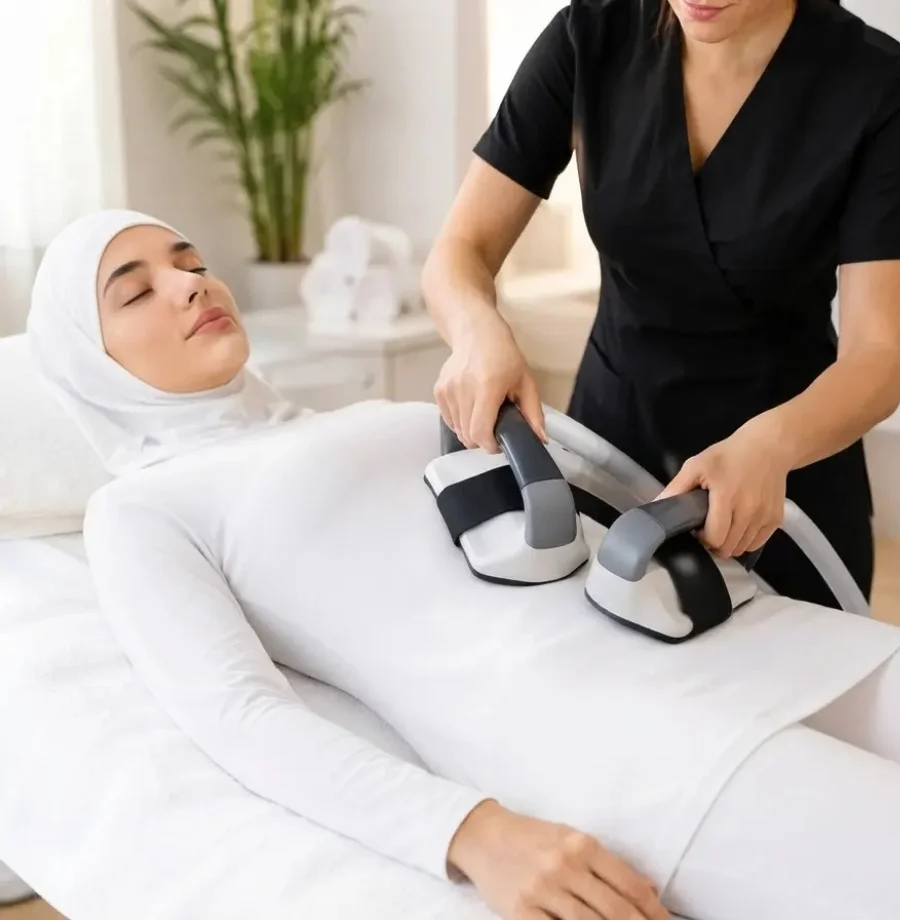
Weight loss body sculpting is often used as a search term for aesthetic treatments, but body contouring does not replace medical weight management. Non-surgical body contouring is designed to alter the appearance of selected body areas, such as reducing the appearance of a small fat bulge or improving cellulite. It does not treat obesity or produce the systemic health benefits associated with weight reduction.

A medical weight loss program, by contrast, focuses on reducing excess body weight where clinically appropriate and supporting long-term weight management.

divider 1 1
2.Lower Eyelid Surgery 1

Lower Eyelid Surgery

Successful weight management is not simply about rapid weight reduction.
A medically supervised program can focus on sustainable changes in eating habits, physical activity, and other behaviors. NIDDK recommends that safe weight-loss programs include a healthy eating plan, physical activity, ongoing guidance and support, and strategies for maintaining weight loss.
This is why weight-loss body sculpting should not be positioned as a replacement for a medical program.
Patients seeking contour weight loss may actually have two different objectives: reducing overall body weight and improving the shape of specific areas. These concerns can require different treatments.

1.Lower Eyelid Surgery 1
divider 1 1

Can Body Contouring Be Combined With Weight Loss?

Body contouring may be considered separately from weight management.

For example, a patient may lose weight through a structured medical program and later remain concerned about localized areas of fat or excess skin. In such circumstances, body contouring and sculpting may be considered once weight has stabilized.

Surgical body contouring can address excess sagging skin and fat following substantial weight loss.

Similarly, selected non-surgical body contouring treatments may be considered for smaller localized contour concerns.

The timing and suitability should be assessed individually.

about
about
divider 1 1
3 4
about img pattern 1
3.Weight Loss Body Sculpting Small
2.Weight Loss Body Sculpting Small

Weight Loss Body Sculpting

The phrase weight loss body sculpting can refer to a combination of weight management and aesthetic contouring, but these are not the same clinical process.

A medical program works on overall weight and metabolic health, while body reshaping treatments focus on the appearance of specific areas.

Patients may therefore benefit from addressing weight management first, then reassessing body proportions once weight has stabilized.

This can be particularly relevant for people considering full-body contouring after significant weight loss.

divider 1 1

Contour Weight Loss and Aesthetic Goals

Some patients are primarily motivated by appearance, while others seek weight management for medical reasons.

Contour weight loss may appeal to patients who want both overall weight reduction and improved body proportions.

However, a medical weight loss program should not promise that medication or lifestyle intervention will produce a particular body shape. Individual responses vary.

Similarly, full body contouring is not a substitute for weight reduction.

A balanced treatment plan separates medical goals from aesthetic goals. 

about
about
divider 1 1
2.Prescription Weight Management

Prescription Weight Management

For selected patients, prescription weight-management medication may form part of a medical program.
NIDDK notes that weight-management medications may be considered for some adults with a BMI of 30 or greater, or a BMI of 27 or greater with weight-related health conditions. Medication is generally used alongside lifestyle changes rather than replacing healthy eating and physical activity.
The choice of medication depends on individual health factors, potential benefits, side effects, interactions, and treatment goals.
A medical consultation is therefore necessary before starting any prescription weight-management medication.

1.Prescription Weight Management
divider 1 1

What Can a Medical Weight Loss Program Include?

A personalized program may include several components.

sec shape 1
shape
icon

Medical Assessment

The first stage is understanding the patient's current health and weight-management history.

icon

Nutrition and Lifestyle Guidance

A sustainable eating plan and appropriate physical activity are important components of long-term weight management.

icon

Prescription Medication

Where clinically appropriate, a doctor may consider an approved weight-management medication.

icon

Progress Monitoring

Regular follow-up can help assess weight changes, treatment response, side effects, and adherence.

icon

Long-Term Maintenance

Maintaining weight loss is an important part of treatment. NIDDK notes that people may need continued lifestyle changes and, in some cases, ongoing medication to maintain weight reduction.


divider 1 1

Who May Benefit From Medical Weight Management?

A medical weight loss program may be appropriate for adults who have overweight or obesity and want professional support.

Assessment can be particularly relevant when excess weight is associated with conditions such as:

  • High blood pressure
  • Type 2 diabetes
  • Sleep apnoea
  • Joint problems
  • Metabolic risk factors

Weight loss may improve certain weight-related health risks, although the extent of benefit varies between individuals.

Medical Weight Loss and Body Contouring

Patients sometimes begin with non-surgical body contouring because they are concerned about specific areas such as the abdomen, thighs, or arms.

However, if the primary concern is excess overall body weight, medical weight management may be more appropriate.

Once weight is stable, body contouring and sculpting can be considered if persistent localized fat or excess skin remains.

For patients considering full-body contouring, stabilizing weight before surgical body contouring can be important. ASPS notes that good candidates for surgical body contouring generally have stabilized weight and realistic expectations.

divider 1 1
Medical Weight Loss and Non Surgical Body Contouring 1
about img pattern 1
Medical Weight Loss and Non Surgical Body Contouring 2 1 e1792853177889
Medical Weight Loss and Non Surgical Body Contouring 3 1 e1792853199330

Medical Weight Loss and Non-Surgical Body Contouring

Non-surgical body contouring and medical weight management can serve different purposes.

A patient may use medical treatment to address overall excess weight and later consider non-surgical body contouring for selected localized concerns.

The two approaches should not be confused. Non-surgical body contouring does not treat obesity and is not designed to produce the health benefits of weight loss.

Patients interested in fat-reduction body contouring may therefore need to decide whether their primary concern is overall weight or a specific area that remains disproportionate after weight stabilization.

divider 1 1

Body Reshaping After Weight Loss

Significant weight loss can alter body proportions but may leave excess skin or localized fat.

In these circumstances, body reshaping can involve surgical or nonsurgical procedures depending on the amount of excess tissue.

Surgical body contouring after major weight loss may include procedures such as arm lifts, thigh lifts, tummy tucks, and lower body lifts to remove excess skin and improve body proportions.

For smaller concerns, minimally invasive body contouring or other aesthetic treatments may sometimes be considered. 

Safety and Medical Supervision

Medical weight management should be supervised by a qualified healthcare professional.

Prescription weight-management medications have specific indications, contraindications, side effects, and potential drug interactions. NIDDK advises patients to discuss their medical conditions and all medications or supplements with their healthcare professional before starting treatment.

Weight-management medication should also not be used during pregnancy or when planning pregnancy unless specifically advised otherwise by the appropriate healthcare professional.

This is why a medical program should never be based solely on online trends or social media recommendations.

Why Choose Guarantee Clinic by Dr Iyas?

Guarantee Clinic by Dr Iyas takes a personalized approach to weight management and aesthetic body concerns.

Patients searching for the best non-surgical body sculpting may actually need medical weight management, body contouring, or a combination of approaches. The consultation helps clarify the difference.

Similarly, patients interested in weight loss body sculpting, contour weight loss, full body contouring, or body reshaping can discuss which goals are medical and which are aesthetic.

The aim is to establish a realistic treatment plan based on health, anatomy, and individual objectives.

WHY CHOOSE US

Frequently Asked Questions

No. Non-surgical body contouring is intended to change the appearance of selected body areas and does not treat obesity.

They can address different concerns. A patient may undergo medical weight management and later consider body contouring and sculpting for persistent localized fat or excess skin.

Contour weight loss is a search term often used to describe the combination of weight reduction and body-shaping goals. Clinically, weight management and body contouring are separate treatment objectives.

No. A comprehensive medical weight loss program can include nutrition, physical activity, behavioral support, monitoring, and medication when clinically appropriate.

For surgical body contouring, weight stability is generally important. After major weight loss, excess skin and tissue may require procedures specifically designed for skin removal and body reshaping.

Begin Your Medical Weight Management Consultation

If excess eyelid skin, under-eye bags, or changes in eyelid contour affect your facial appearance, a professional assessment can help determine whether blepharoplasty is appropriate.

Guarantee Clinic by Dr Iyas provides personalised facial aesthetic consultations in Dubai for patients considering eyelid surgery. Discuss your concerns with Dr Iyas and receive an individual assessment of your eyelid anatomy, treatment options and expected recovery.

Book your consultation at Guarantee Clinic by Dr Iyas to explore whether blepharoplasty is right for you.