Mini Liposuction & Lipolytic Fat Reduction in Dubai
Small, localised areas of excess fat can remain noticeable despite healthy eating, exercise, and stable weight. Guarantee Clinic by Dr Iyas offers medical assessment for patients seeking targeted fat reduction and body refinement, including appropriate lipolytic and other minimally invasive approaches. Patients often search for fat dissolving injections, lipolysis injection treatments and non-invasive body contouring when they want to address a small area without undergoing extensive surgery. However, these treatments are not interchangeable with surgical liposuction. The appropriate procedure depends on the amount and location of fat, skin elasticity, anatomy and the treatment product being considered.
What Is Mini Liposuction?
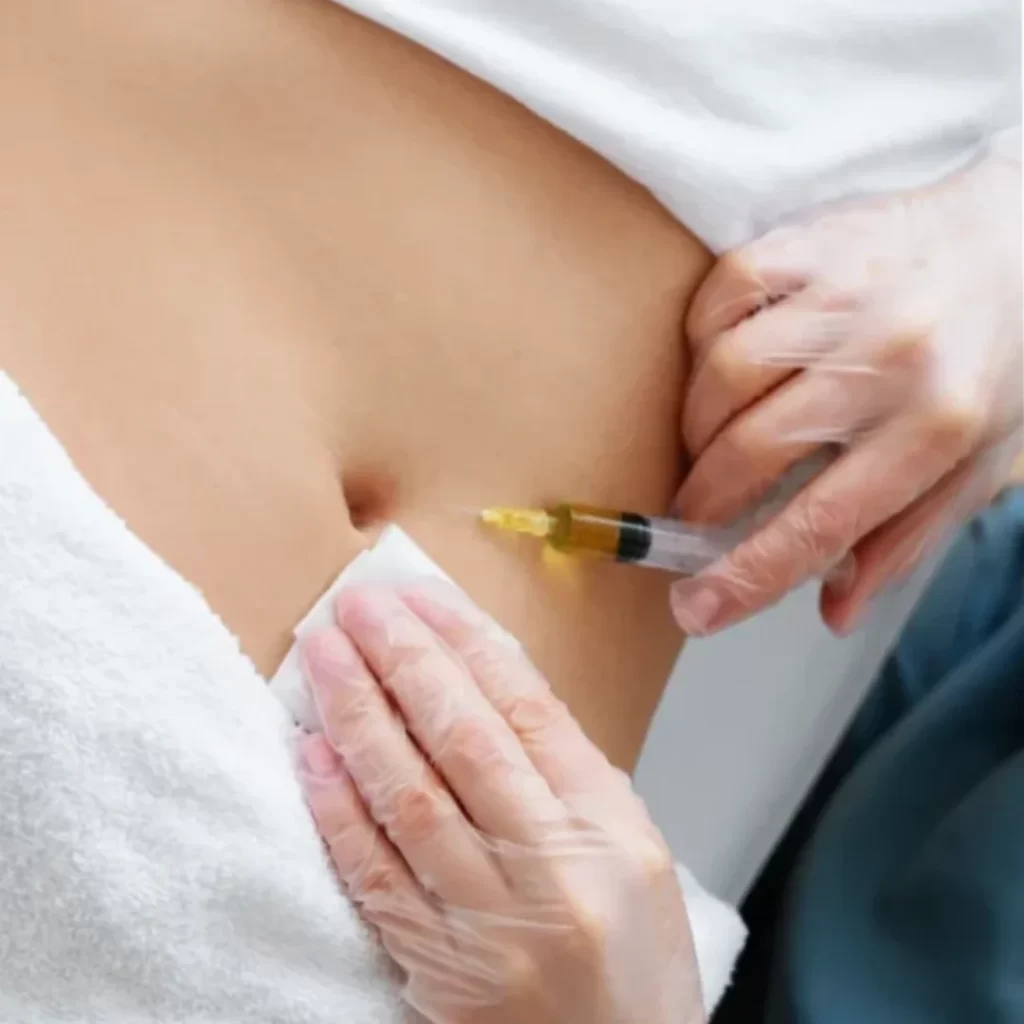
Patients commonly use the term “mini liposuction” to describe a smaller, more targeted form of liposuction. Unlike fat-dissolving injections, surgical liposuction physically removes localised fat deposits through a cannula. Liposuction can be used on areas including the abdomen, upper arms, cheeks, chin and neck. At Guarantee Clinic by Dr Iyas, the phrase mini liposuction should therefore be understood as a targeted surgical contouring concept rather than an injection treatment. For smaller areas, patients may instead be assessed for minimally invasive or nonsurgical options. These can include selected lipolytic treatments where an appropriate, medically indicated product is available. The distinction matters because fat-dissolving injections do not physically suction fat from the body. Instead, injection lipolysis involves injecting a substance into subcutaneous fat to break down fat cells in the treated area.
Lipolytic Fat Reduction: What Does It Mean?
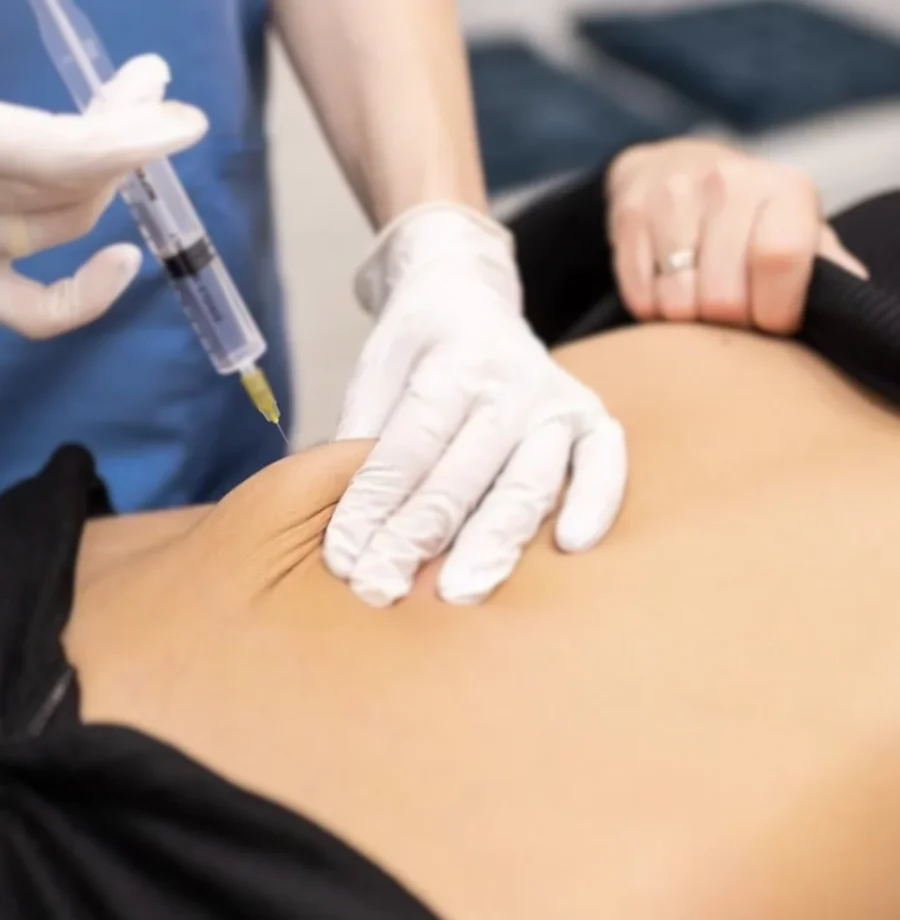
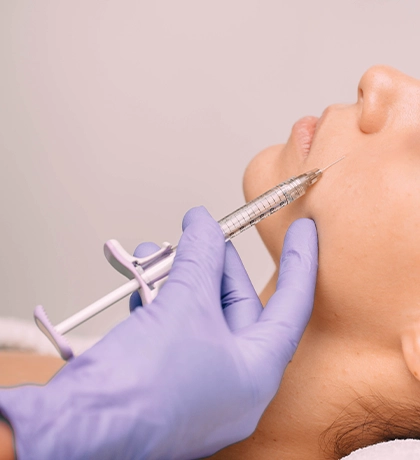
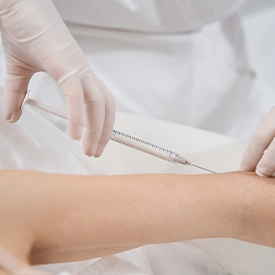
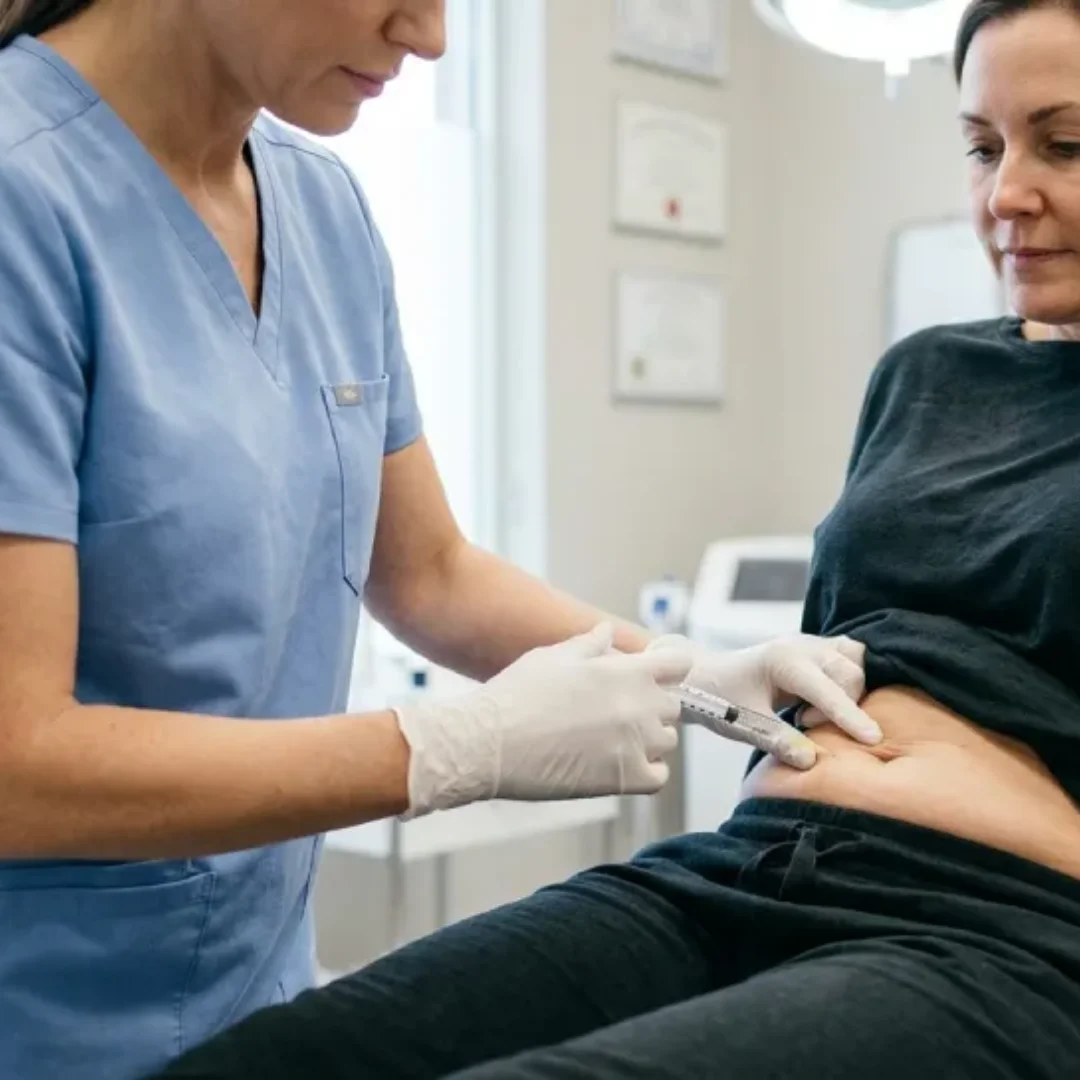
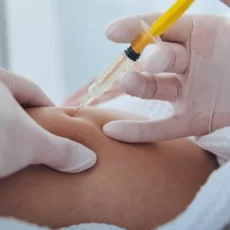
Lipolytic refers broadly to processes associated with fat breakdown. In aesthetic medicine, the term is is often used for injectable treatments intended to reduce localised fat deposits. A lipolysis injection differs from conventional liposuction. Rather than mechanically removing fat, injection lipolysis relies on the injected substance to act within the treated tissue. Because injectable products vary considerably, never select treatment simply because it is marketed as a “fat dissolver.” The product, active ingredient, treatment area, regulatory status and appropriate injection technique all matter. The FDA notes that injection lipolysis is a nonsurgical procedure involving injections beneath the skin to break down fat cells around the injection sites. It also warns about unapproved fat-dissolving products and unsafe injection practices.
Fat Dissolving Injections for the Double Chin
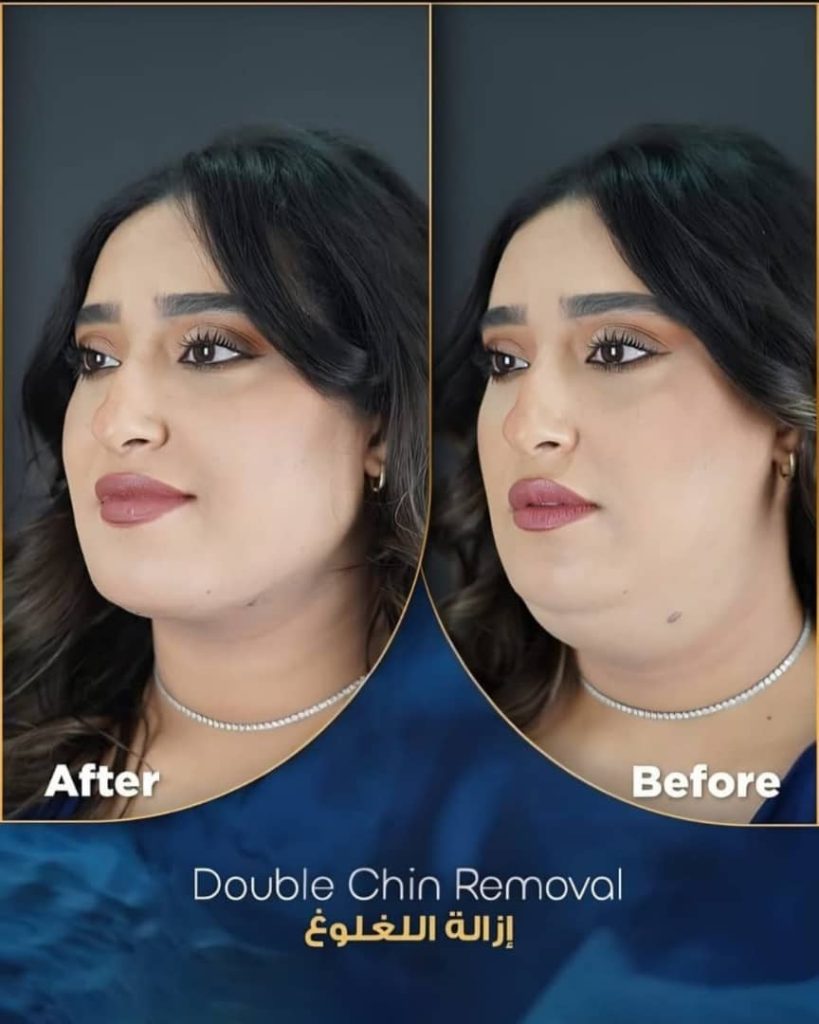
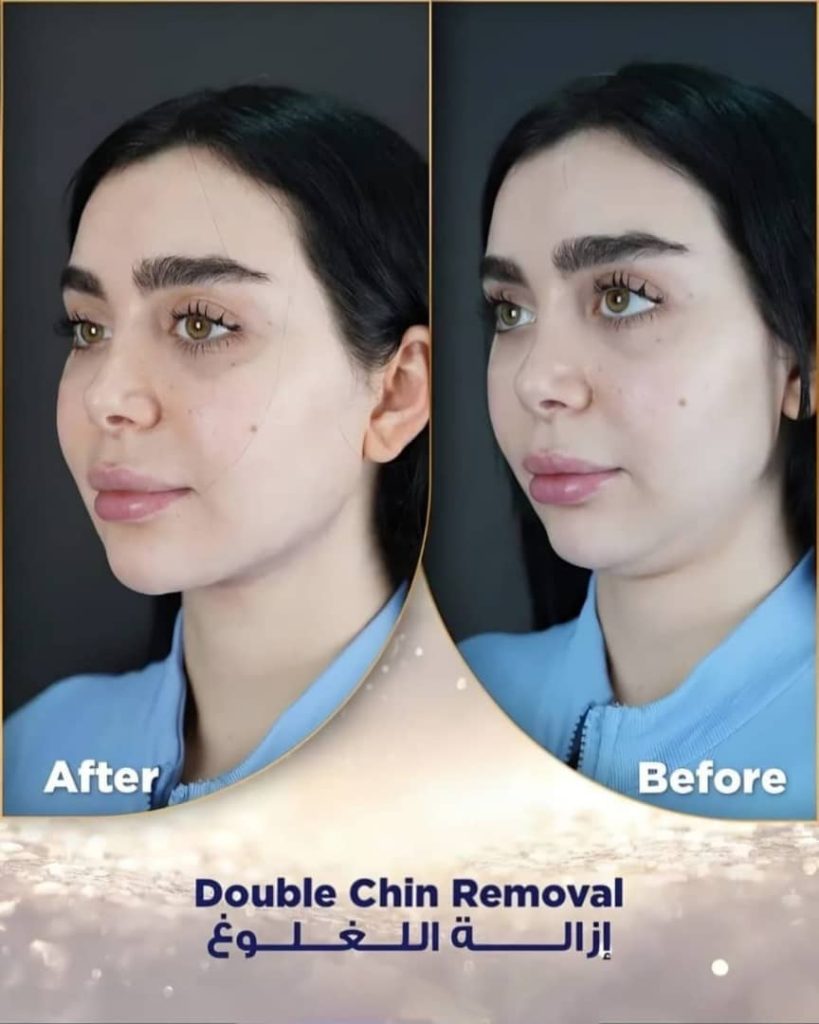
One of the most established applications for a medically approved fat-dissolving injectable is submental fat beneath the chin. Patients with fullness beneath the chin may search for double chin surgery, fat-dissolving injections, or noninvasive body contouring when looking for ways to improve the definition of the lower face. It is important to distinguish these options. Double chin surgery, including surgical liposuction of the submental area, involves physically removing fat. By contrast, an approved deoxycholic acid injectable is administered into submental fat and works through injection lipolysis. The FDA states that deoxycholic acid is approved for improving the appearance of moderate-to-severe fullness associated with submental fat in adults. The suitability of fat-dissolving injections depends on the individual’s anatomy, amount of submental fat, skin quality, and treatment expectations.
Double Chin Surgery vs Lipolysis Injection
When a patient searches for double chin surgery, they may actually be looking for several different treatment options. Surgical submental liposuction removes localised fat mechanically and can provide more direct contouring. Lipolysis injection is a nonsurgical alternative for selected patients with appropriate submental fat. A person with significant skin laxity, for example, may require a different approach from someone whose primary concern is a discrete fat pocket. Likewise, patients with very limited fat but substantial skin laxity may not achieve the desired result from fat reduction alone. This is why a consultation should assess:
Amount and location of submental fat
Skin elasticity
Jawline definition
Chin projection
Neck anatomy
Previous procedures
Medical history
Desired degree of contouring
Fat Reduction for the Chin and Jawline
The chin and upper neck are highly visible areas where small changes can affect overall facial proportion. Targeted fat dissolving injections may be considered for selected patients with submental fullness when an appropriate injectable is available and indicated. A lipolytic approach may help reduce the appearance of a localised fat pocket, while surgical liposuction can physically remove fat where appropriate. Patients should understand that neither approach automatically creates a sharp jawline. Jawline definition is influenced by bone structure, chin projection, soft tissue, skin laxity and fat distribution. For this reason, consider non-invasive body contouring and facial fat reduction as part of an anatomical assessment rather than a one-size-fits-all treatment.
Can Lipolytic Treatments Be Used on the Cheeks?
Facial fat requires particularly careful assessment because the face contains important nerves, vessels and structural fat compartments. Although lipolytic treatments are widely discussed online for facial contouring, providers must establish the safety and regulatory status of individual injectable products and treatment areas before treatment. The FDA specifically states that approved deoxycholic acid injection is indicated for submental fat and is not approved for subcutaneous fat outside the submental region. Therefore, a cheek-contouring consultation should not automatically result in a lipolysis injection. Depending on the cause of facial fullness, other options may be more appropriate.
Lipolytic Treatments for the Arms
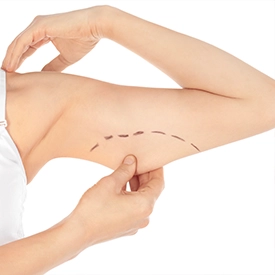
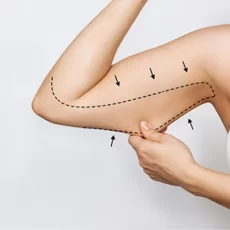
Upper-arm fullness can have several causes, including localised fat, loose skin and changes following weight loss. Surgical liposuction can reduce selected localised fat deposits in the upper arms. Patients sometimes look for fat-dissolving injections as a less invasive alternative. However, the suitability of injectable fat reduction for the arms depends heavily on the specific product and its approved or appropriate area of use. This matters because not every product promoted online as a lipolytic or lipolysis injection has the same evidence, regulatory status, or safety profile. At Guarantee Clinic by Dr Iyas, treatment selection should therefore follow medical assessment rather than marketing claims.
Lipolytic Fat Reduction for the Abdomen
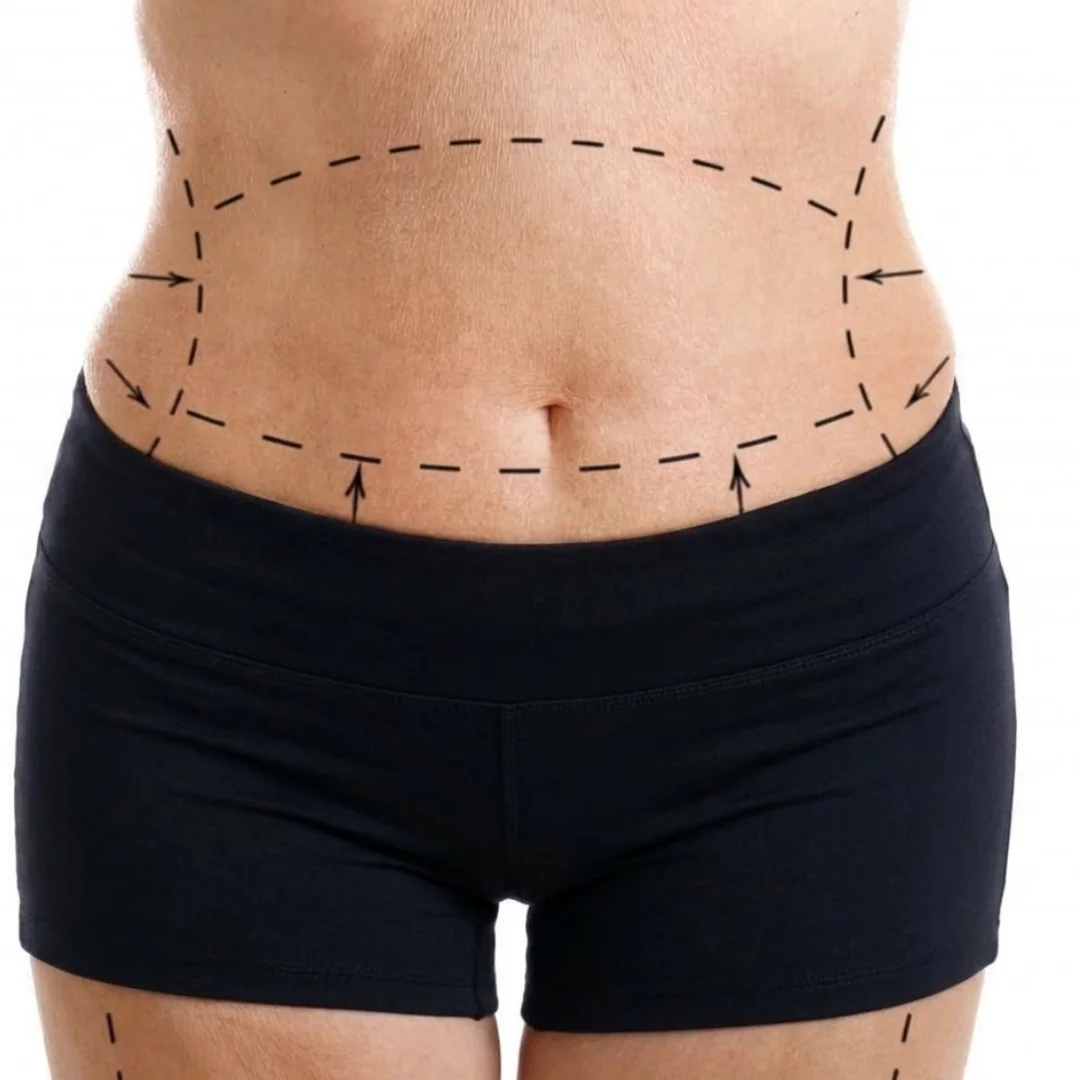
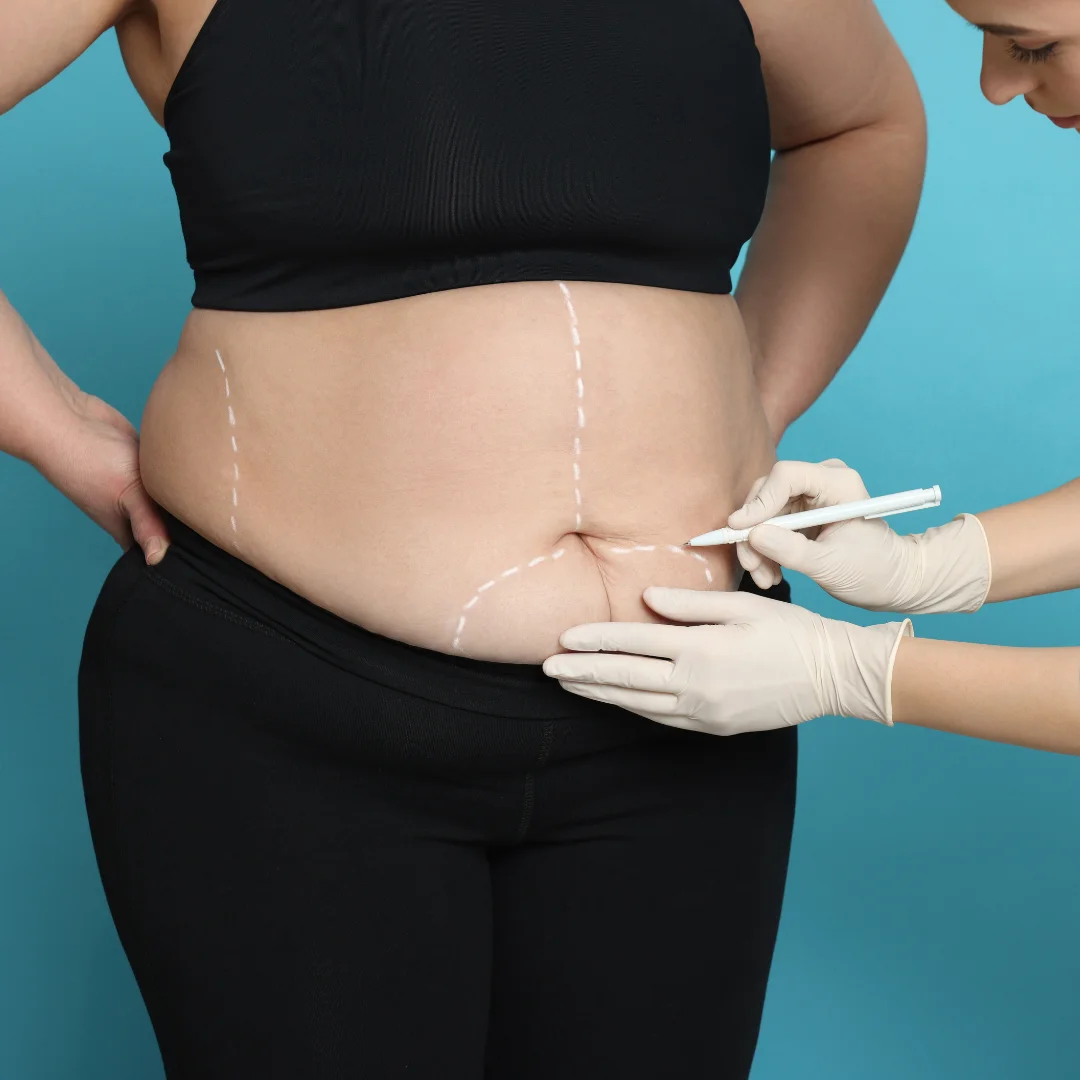
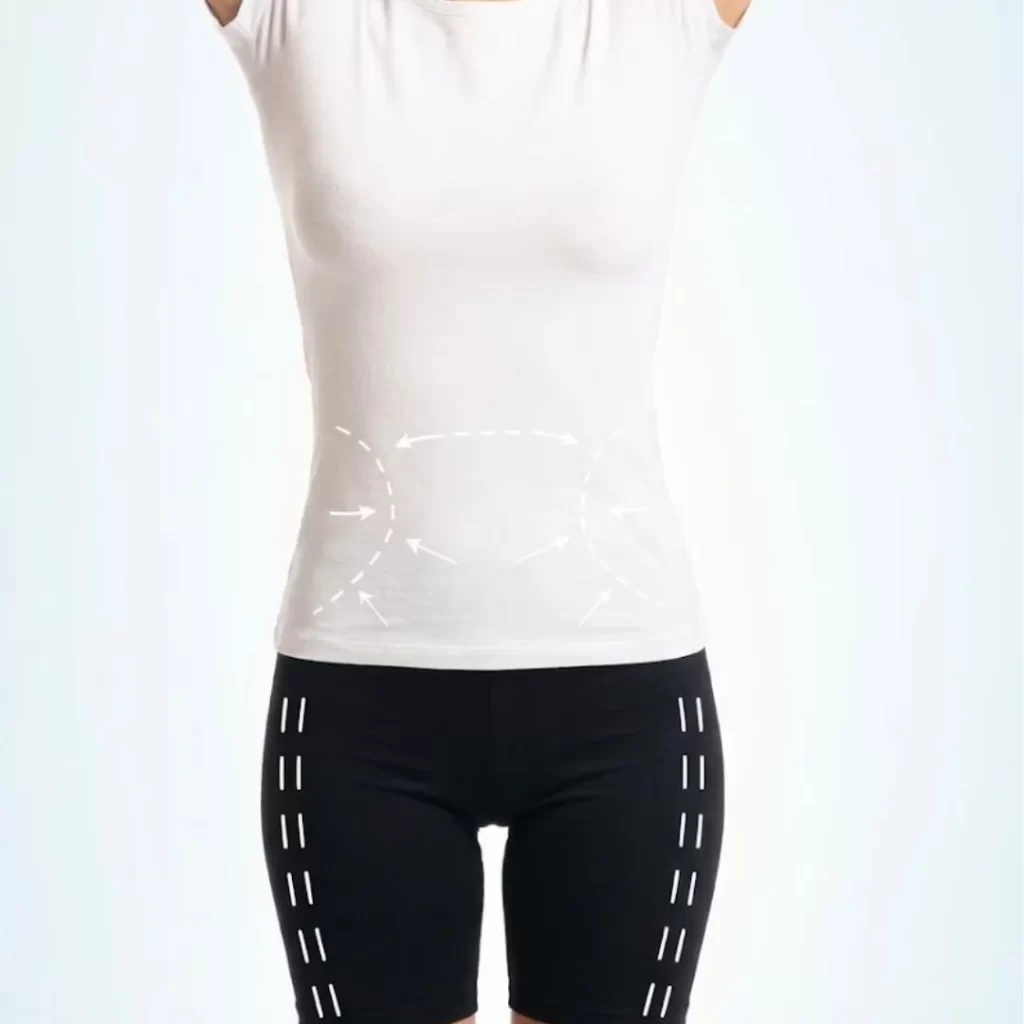
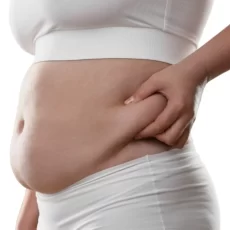
The abdomen is one of the areas most commonly associated with localised fat and body contouring. Surgical liposuction may remove excess fat from the abdomen and waist in appropriately selected patients. Patients seeking non-invasive body contouring may also ask about injectable or device-based approaches. Do not present these treatments as equivalent to liposuction. In particular, consider fat-dissolving injections only when the specific product and treatment area are medically appropriate. Current FDA guidance warns against using approved deoxycholic-acid injections outside the submental region. An abdominal contouring consultation therefore considers the amount of fat, skin elasticity, previous weight changes and whether excess skin is also present.
Non-Invasive Body Contouring vs Liposuction
Non-invasive body contouring refers to treatments designed to improve the appearance of localised fat or body contours without surgical fat removal. Depending on the technology or treatment, these approaches may use different mechanisms and may require multiple sessions. Liposuction is fundamentally different. It is a surgical procedure in which a cannula removes excess fat from selected areas. For patients considering non-invasive body contouring, it is important to understand that these treatments are generally intended for localised contour concerns rather than general weight loss. Similarly, fat dissolving injections are not a replacement for weight management. They target selected localised areas and require appropriate medical assessment.
Who Is a Candidate for Targeted Fat Reduction?
An ideal candidate depends on the treatment being considered. For surgical liposuction, suitable patients generally have localised fat deposits, reasonable skin elasticity and realistic expectations. Liposuction is not a treatment for obesity or a substitute for healthy lifestyle measures. For injectable fat reduction, candidacy depends on the product, treatment area, medical history and the specific indication. Patients considering lipolytic treatment should disclose relevant medical conditions, medications, previous aesthetic procedures and any history of adverse reactions to injectable treatments. A consultation is particularly important when the requested treatment involves the face, chin or neck.
What to Expect During Your Consultation
A targeted body or facial contouring consultation begins by identifying the actual source of the concern. For example, a patient requesting double chin surgery may have a combination of submental fat and loose skin. Another patient may have a small, localised fat deposit with good skin elasticity and may be a candidate for a different form of contouring. Similarly, someone asking for fat dissolving injections for the abdomen may require a discussion about the distinction between injectable treatment, device-based non-invasive body contouring and surgical liposuction. The consultation can consider:
Treatment area
Fat volume
Skin quality
Tissue laxity
Facial or body proportions
Previous procedures
Medical history
Treatment expectations
Appropriate recovery and aftercare
Safety and Medical Considerations
The safety of fat-reduction injections depends on the exact substance used, its approved indication, injection technique and the anatomy being treated. The FDA has reported adverse reactions associated with unapproved fat-dissolving injections and warns that improper injection technique can contribute to infection, scarring and other complications. In September 2026, the FDA also added a warning to Kybella labelling concerning adverse reactions associated with administration outside the submental region and states that its use outside this area is not recommended. This reinforces an important principle: a product marketed as lipolytic should not automatically be considered suitable for every body area.
Targeted Contouring at Guarantee Clinic by Dr Iyas
Guarantee Clinic by Dr Iyas approaches localised fat concerns through individual assessment rather than prescribing the same treatment for every patient.
Whether you are considering double chin surgery, fat dissolving injections, a lipolysis injection, surgical liposuction, or another form of non-invasive body contouring, the right choice depends on your anatomy and treatment goals.
The clinic can assess areas such as the chin, neck, cheeks, arms and abdomen and discuss which treatment category may be appropriate.
For patients interested in lipolytic fat reduction, the consultation also clarifies what the treatment can realistically achieve, which product is being considered, and whether the requested treatment area is appropriate.
WHY CHOOSE US
Frequently Asked Questions
No. Fat dissolving injections use an injectable substance intended to break down fat cells, while liposuction is a surgical procedure that physically removes fat.
Certain approved injectable treatments can treat submental fat in appropriately selected adults. The FDA specifically identifies deoxycholic acid as approved for moderate-to-severe fullness associated with submental fat.
Suitability depends on the exact injectable product and its approved or medically appropriate treatment area. Patients should not assume that an injectable approved for submental fat can safely be used elsewhere.
Yes. Double chin surgery may refer to surgical removal of submental fat, such as liposuction. A lipolysis injection is a nonsurgical injectable approach that breaks down fat in the treated area.
No. Non-invasive body contouring is intended to address selected localised contour concerns, not replace weight management or treat obesity.
Book a Consultation for Targeted Fat Reduction in Dubai
If you are concerned about a double chin, localised abdominal fullness, arm fat or another specific contour concern, the first step is an individual assessment.
Guarantee Clinic by Dr Iyas can help you understand the differences between surgical liposuction, fat-dissolving injections, lipolytic treatments, and non-invasive body contouring, based on your anatomy and treatment goals.
Book a consultation at Guarantee Clinic by Dr Iyas in Dubai to discuss your options for targeted facial and body contouring.